



This sixth week has flown by just as quickly as the previous five. October is here and we're in full swing!
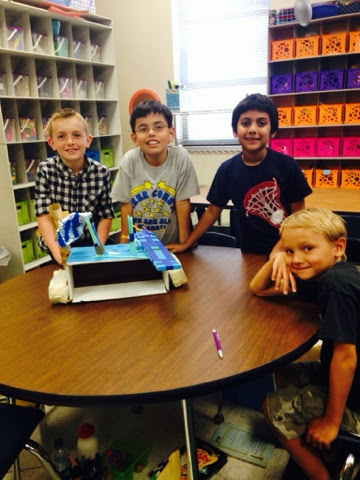
We culminated our Mars Rover Project by building and sharing our models with our homeroom classmates. These projects definitely generated excitement and provided some excellent opportunities to practice our 21st century skills:
Communication and collaboration, creativity and innovation, critical thinking and problem solving...

flexibility and adaptability, initiative and self-direction, social and cross-cultural skills...

productivity and accountability, leadership and responsibility, and media/technology literacy.


We also had an opportunity to reflect (a common occurrence in the SBLC, as you may have noticed) about what worked well, what challenged us, and how we can apply it to future experiences.

Did we mention it was fun?!? :)
We deepened our understanding of patriotism in social studies. By analyzing and comparing the United States and Texas Pledges and symbols, we have greater appreciation for the meaning of the words we say every day at morning assembly. We also began learning about map features and applied what we learned by making our own maps!
In reading we have been working on envisioning, making pictures in our minds of what we are reading. We know that using the text to create these images are what reading is all about. We have also talked about making meaning using context clues to get at words we don't understand. It's hard work, but making sure we are accurate with our vocabulary is crucial! Second is enjoying their Mo Willems author study, and Third and Fourth continue their journey with Jack and poetry in Sharon Creech's work.
In writing, we've also talked about envisioning, but as writers, it's our job to describe in detail so our reader can use the words to see what's happening in our stories. We've talked about revision - making improvements and changes on our stories, and developed stamina with one story by going back and working on it for several days, not just one sitting.
We've also discussed as a whole ways to improve and deepen our reflections in our 3, 2, 1 notebooks!
In math fourth graders compared and ordered decimals this week. Our project is to research racetracks in Texas and find the distance around ten tracks and then order the distances.
Third graders read a book titled Pizza Parts! Then they created their own stories about sharing pizzas. They also had fun playing Fish for Fractions. This game is played like Go Fish.
Second graders worked on building 4 digit numbers. They used the greater than and less than sign to compare these numbers.
The October Scholastic order will be finalized Wednesday, October 8th so please submit any orders by then.
Enjoy the first October weekend!
More rovers from Ms. Reiman's room


I had a fantastic time creating our Mars Rover! Thank you whoever came up with the idea.
ReplyDeleteThis totally rocked!
ReplyDeleteThis was so fun! :)
ReplyDelete